

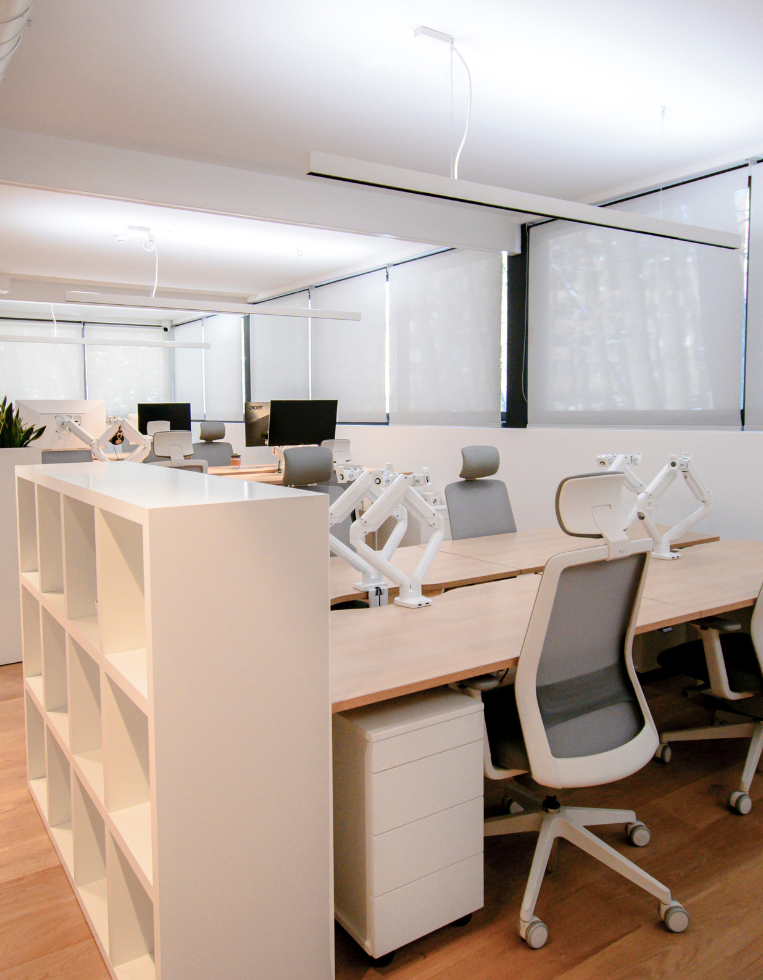
Stories
Ergonomics Is Not a Luxury; It’s a Business Investment
For years, workplace ergonomics was treated as a secondary concern. An upgrade. A design enhancement. Something nice to have, but easy to postpone.
Today, leading organizations understand something different.
Ergonomics Is Not a Luxury; It’s a Business Investment
For years, ergonomics was viewed as a “nice-to-have.” An upgrade. A design enhancement.
Today, leading organizations understand something different:
Workplace ergonomics is infrastructure.
Just like IT systems, cybersecurity, and operational software, it directly impacts output, performance, and financial results. For companies prioritizing workplace wellness in Bulgaria, ergonomics is not an expense line. It is a measurable business lever.
The Cost of Ignoring Workplace Ergonomics
Bulgarian companies are not immune to global workforce trends:
- Increased musculoskeletal complaints
- Rising hybrid work models
- Higher employee expectations
- Growing focus on employer brand
According to the European Agency for Safety and Health at Work (EU-OSHA), musculoskeletal disorders remain the most common work-related health problem in Europe, affecting nearly 60% of workers. Back pain alone is one of the leading causes of absenteeism and reduced productivity globally.
For employers, this translates to:
- Sick leave costs
- Reduced output
- Presenteeism (employees at work but underperforming due to discomfort)
- Higher turnover
Ignoring workplace ergonomics in Bulgaria does not reduce costs, it redistributes them into hidden losses.
Ergonomics and Productivity: The ROI Is Measurable
A study published in PubMed found that ergonomic interventions led to measurable improvements in worker productivity and reductions in discomfort.
Research from Cornell University’s Ergonomics Lab reported productivity increases of up to 17% after ergonomic seating and workstation improvements. Even conservative improvements of 3–5% in performance can represent significant annual value per employee.
For example:
If an employee generates €30,000–€50,000 in annual value, a 5% productivity gain equates to €1,500–€2,500 in increased output per year, far exceeding the cost of professional ergonomic implementation.
We believe workplace wellness in Bulgaria must be evaluated through this economic lens.
Ergonomics Impacts Retention and Employer Branding
The Bulgarian labor market, particularly in tech, finance, and creative industries, is increasingly competitive.
Work environments now influence:
- Recruitment success
- Talent retention
- Employer brand perception
- Employee satisfaction scores
A University of Exeter study found that employees who had greater control over their workspace design were 32% more productive and reported higher job satisfaction.
Modern professionals expect:
- Adjustable ergonomic chairs
- Sit-stand workstations
- Proper lighting
- Thoughtfully designed collaborative zones
- Quiet focus areas
Workplace ergonomics in Bulgaria signals that a company values its people beyond compensation.
The Hybrid Work Reality in Bulgaria
Hybrid work has introduced new challenges.
Organizations must now consider:
- Office ergonomics
- Remote employee setups
- Shared desk environments
- Flexible workstations
Without structured ergonomic planning, companies risk inconsistent standards and increased health complaints.
A strategic workplace ergonomics approach ensures:
- Standardized assessments
- Scalable solutions
- Consistent employee experience
- Compliance with occupational safety requirements
This is no longer just HR territory; it is an operational strategy.
Ergonomics Reduces Long-Term Health Liability
Chronic musculoskeletal conditions develop gradually.
When employers invest in preventive workplace wellness in Bulgaria, they:
- Reduce long-term health claims
- Lower absenteeism rates
- Improve workforce longevity
- Decrease turnover linked to discomfort
Prevention is significantly more cost-effective than correction.
Just as businesses invest in preventive IT security rather than reacting to cyberattacks, proactive ergonomic strategy prevents organizational strain before it escalates.
What Strategic Workplace Ergonomics Looks Like
Workplace ergonomics in Bulgaria should go beyond buying chairs.
It includes:
1. Ergonomic Assessments
Individual workstation evaluations for posture, desk height, screen placement, and seating alignment.
2. Standardized Ergonomic Furniture
Adjustable chairs, sit-stand desks, monitor arms, and task lighting.
3. Zoning and Space Planning
Designing environments that support:
- Focus work
- Collaboration
- Private calls
- Informal interaction
4. Employee Education
Teaching staff how to adjust and use ergonomic tools correctly.
Ergonomics fails when it’s treated as a product purchase instead of a system implementation.
Financial Perspective: CAPEX vs. OPEX Thinking
Many businesses categorize ergonomic upgrades as capital expenditure.
However, when evaluated properly, workplace wellness in Bulgaria delivers operational returns:
- Reduced sick leave (OPEX savings)
- Increased output (revenue growth)
- Reduced recruitment costs (lower churn)
- Improved morale (higher engagement metrics)
Forward-thinking organizations reframe ergonomics as a performance investment instead of a design expense.
The Strategic Question for Bulgarian Businesses
The question is no longer:
“Can we afford ergonomic upgrades?”
It is:
“Can we afford lost productivity, preventable sick leave, and disengagement?”
In competitive sectors across Sofia, Plovdiv, Varna, and beyond, marginal gains matter.
And ergonomics delivers compounding returns.
Proof in Practice: ContourGlobal Sofia Case Study
Strategic workplace ergonomics in Bulgaria is not theoretical, it delivers measurable results.
When ContourGlobal’s Sofia finance hub partnered with us to redesign their office for ~100 employees, the objective was clear: create a high-performance environment that supports long hours of analytical work without compromising comfort.
Instead of simply replacing furniture, we implemented a full workplace wellness strategy; combining ergonomic task seating, acoustic optimisation, collaborative zoning, and employee training.
The results, measured three months post-implementation:
- Employee satisfaction increased to 4.6/5
- Self-reported physical comfort improved by 30 percentage points
- Cross-team interaction doubled
- The process was requested for replication by their Spanish finance hub
FAQ: Workplace Ergonomics in Bulgaria
1. Is workplace ergonomics mandatory in Bulgaria?
Employers must comply with occupational health and safety regulations. While not all ergonomic upgrades are mandated, employers are responsible for ensuring safe working conditions.
2. What is the ROI of workplace ergonomics?
Studies show productivity improvements between 5–17% depending on intervention level. Reduced absenteeism and turnover further increase return on investment.
3. Does ergonomics really impact employee retention?
Yes. Modern employees increasingly evaluate physical work environments when choosing employers, particularly in competitive industries.
4. Should companies invest in ergonomic setups for remote employees?
Hybrid work models require consistent ergonomic standards to prevent uneven health risks across teams.
5. How often should ergonomic assessments be conducted?
Best practice recommends initial assessments during onboarding and periodic reviews when roles or setups change.
6. What is the first step toward improving workplace wellness in Bulgaria?
A professional ergonomic consultation to assess current conditions, risks, and opportunities for performance optimization.
Studio Novo: Advancing Workplace Ergonomics in Bulgaria
Studio Novo partners with Bulgarian businesses to implement scalable, data-driven workplace ergonomics solutions.
We support organizations across Sofia, Plovdiv, Varna, and nationwide with:
- Ergonomic workplace assessments
- Corporate seating solutions
- Sit-stand workstation implementation
- Workspace zoning strategy
- Employee ergonomic training
We help businesses transform workplace wellness in Bulgaria from a compliance requirement into a performance strategy.
📞 Contact: +359 882 282 663
🏢 Showroom: 5 Panorama Sofia Street XS Tower, Ground Floor, Sofia 1766
🌐 Online: workwares.snolw.com
Book a corporate ergonomic consultation and receive a comprehensive workplace assessment tailored to your team.
Stories
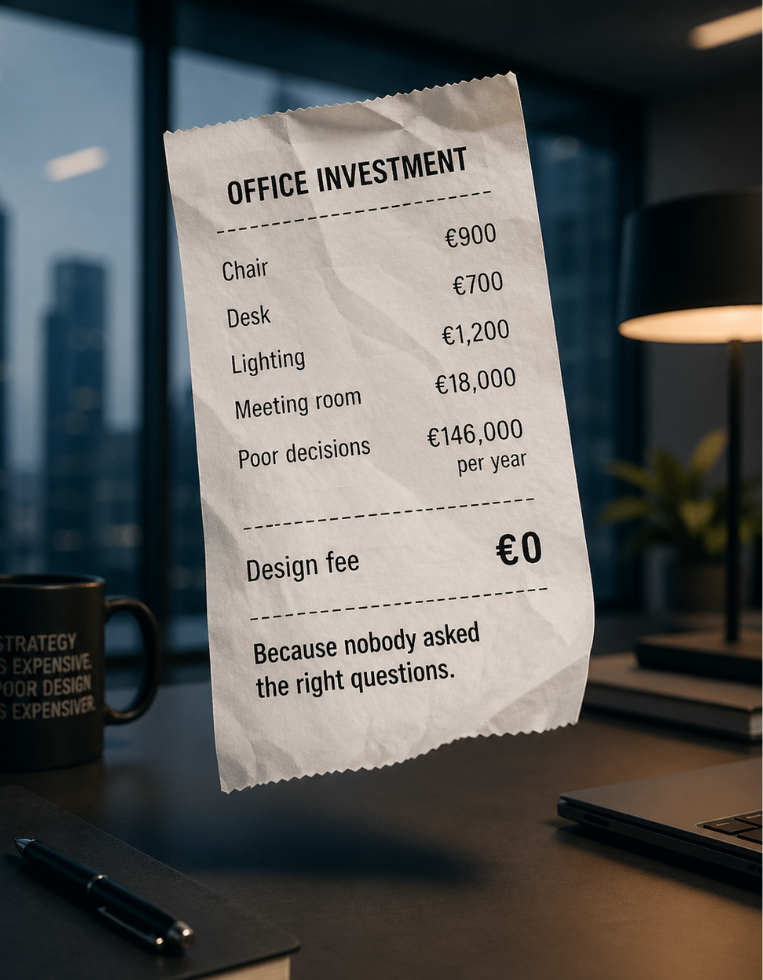
Good Design Is Free.
Not because it costs nothing. Because the returns consistently outrun the…
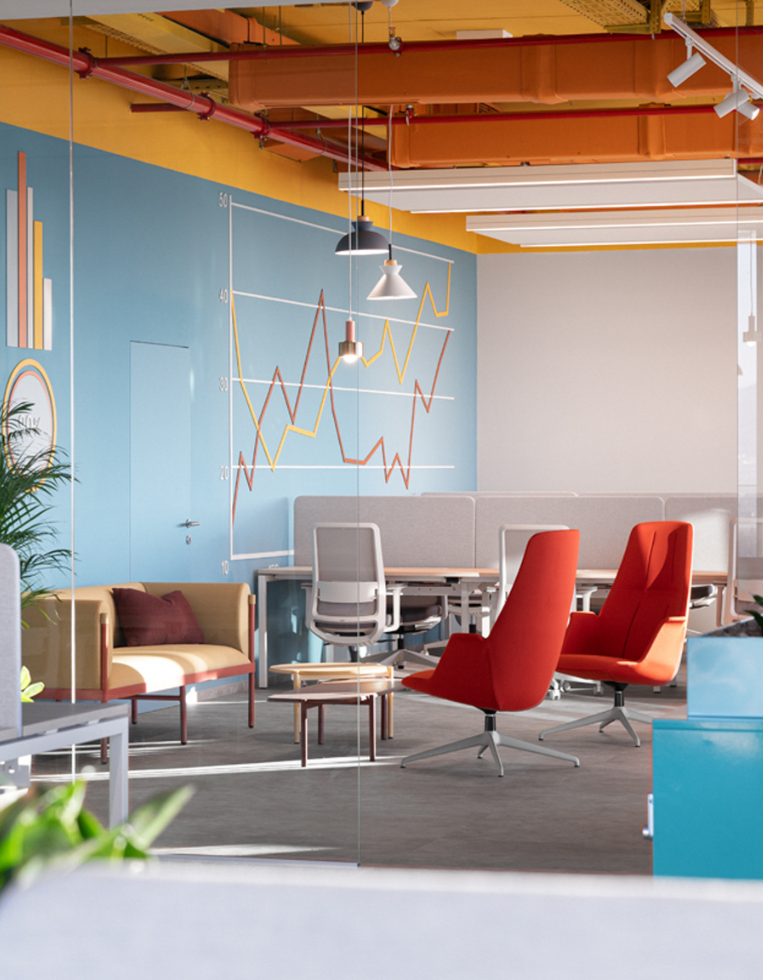
Ergonomic Office Furniture in Bulgaria: Why Static Workspaces Are Costing Your Business
Most Bulgarian companies still treat office furniture as a procurement line item; a fixed cost to be…

Beyond Recipes: Why Design Is the Art of Understanding
A Design Truths Essay on Design Thinking and Workplace Design…