


Stories
Everything is Designed
Too often design is judged through the lens of economics—ROI, resale value, efficiency metrics. But the true story of design is told through behavior and emotion.
“Everything is designed,” Norman Foster reminds us. “Nothing happens by chance. A building or infrastructure is either designed badly and without too much thought, or it’s designed well.”
That statement might sound obvious, but its implications are profound. If everything is designed, then the quality of our lives depends not on whether design is present, but on how much care was applied in its making.
Designed by Default vs. Designed with Intention
Consider this: nearly 70% of our built environment is the result of design decisions. Streets, offices, apartments, transport systems, furniture, digital interfaces—all of it is designed. Yet research suggests that only 10–15% of these environments are created with deep intentionality: spaces where form, behavior, and meaning are deliberately aligned. The rest? They’re designed by default—guided by cost, convenience, or habit, rather than purpose.
This imbalance shows up in our daily lives. Think about the dreary office with gray carpets and flickering lights versus the thoughtfully designed workplace where natural light, flexible furniture, and acoustic balance invite focus and health. The first drains us; the second sustains us.
If we flipped the script—if even half of our world was designed with intention—the gain to our quality of life would be staggering. Imagine experiencing 30% more joy in your day, 40% more calm, 50% more inspiration—not from a miracle, but simply because the spaces and objects around you were designed to support you.
Beyond ROI: The Economics of Joy
Too often design is judged through the lens of economics—ROI, resale value, efficiency metrics. But the true story of design is told through behavior and emotion. Does a public library lift our spirits? Does a plaza invite connection? Does a chair encourage movement instead of stagnation?
We now know that well-designed workplaces increase productivity by 20–25%, and thoughtfully planned cities correlate with higher happiness indices. But numbers alone miss the point. The essence of design lies in what Foster called “pleasure and enjoyment”—the elevated feeling of presence when our environment is aligned with our humanity.
The High Line Effect
Few examples make this clearer than New York City’s High Line. Once a rusting industrial railway on the city’s West Side, it was an overlooked scar on the urban fabric. Through vision and design, it became one of the world’s most celebrated urban parks.
Yes, the statistics are impressive: billions in economic impact, millions of visitors, and a surge in surrounding property values. But the numbers only whisper compared to what the experience shouts. The joy of walking above traffic. The pause on a wooden bench surrounded by wildflowers. The momentary awe of seeing the Hudson framed by steel and sky.
The High Line is proof: design can turn absence into presence, neglect into admiration, function into delight.
My Lens on Design
As a designer, I’ve never seen design as decoration. For me, design is a form of strategy made tangible. It’s about asking:
- What behavior is this space meant to support?
- What conversation should it start?
- What emotion should it leave behind?
Whether it’s an office chair, a workplace, or an entire neighborhood, design is the invisible force shaping not just how we work, but how we feel, connect, and thrive.
The Destination
If everything is designed, then the challenge isn’t to prove design’s existence. It’s to demand better design, intentional design, joyful design.
Because quality of life is not only about income and statistics. It’s also about how much joy we extract from the everyday—walking into a library, sitting in a chair, or wandering a park built on an old rail line.
And that, ultimately, is the promise of design: not simply efficiency or return, but the possibility of living more presently, more fully, more joyfully.
Lachezar Tsvetanov
Founder and Creative Director
Studio Novo
Stories
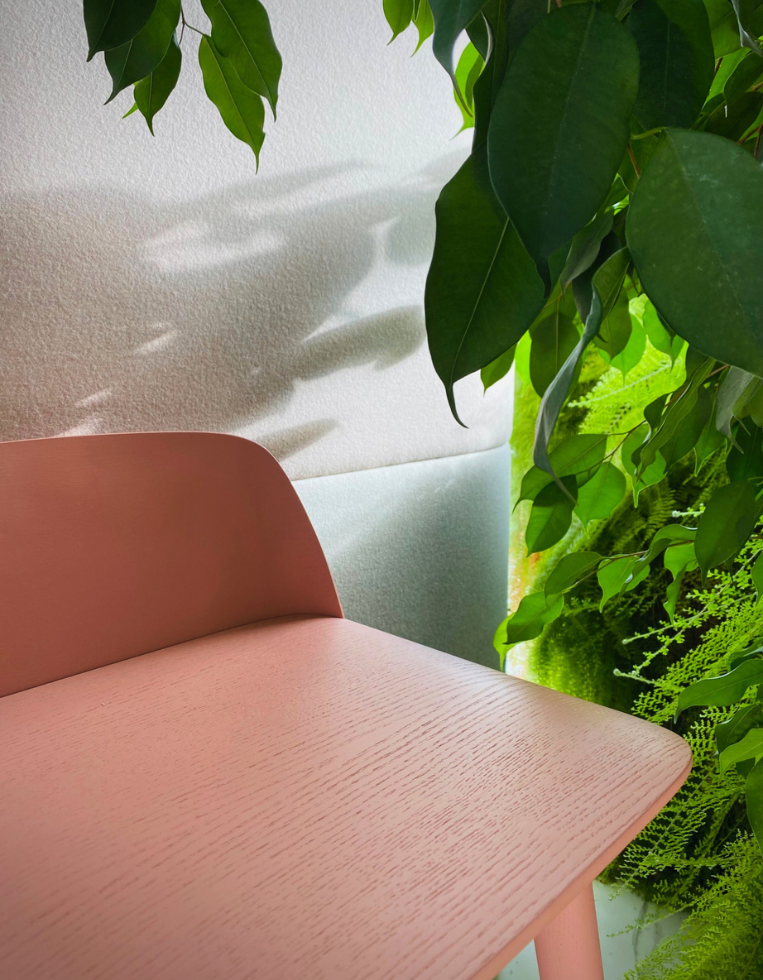
The Brain Behind Beauty
A Design Truths Essay on Design Thinking and Workplace Design…

Beyond Back Pain: How Workplace Ergonomics Protects Your Mind and Your Team
It’s 3 PM. Your shoulders are creeping toward your ears, a dull throb settles at the base of your neck, and no amount of coffee seems to…
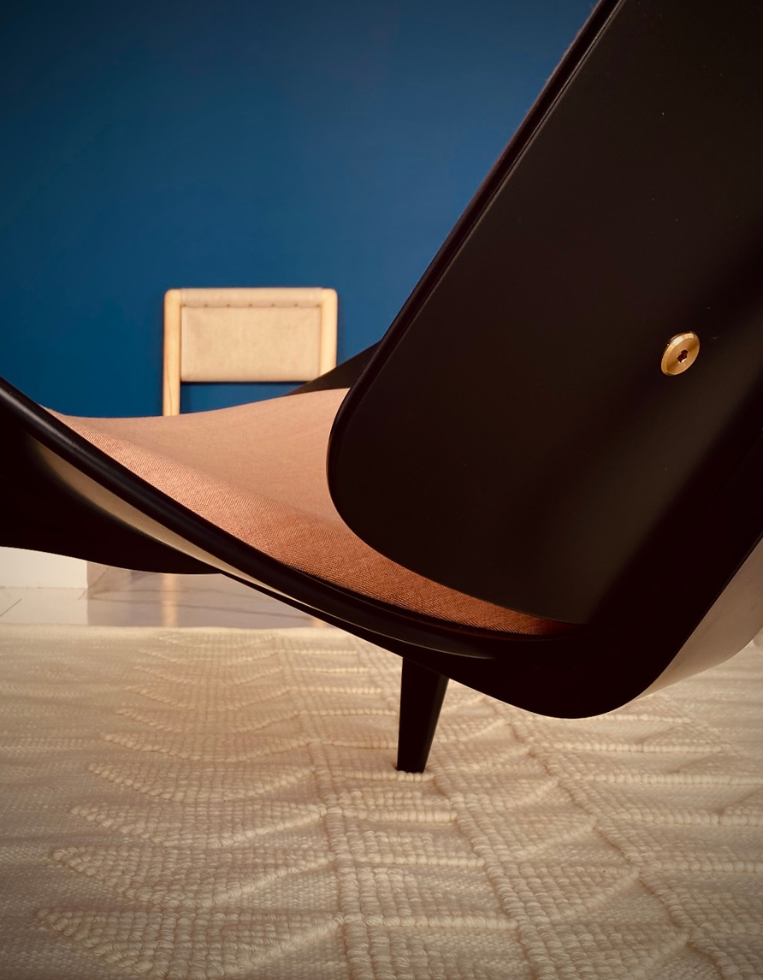
The Perception of Design: Where Form Meets Thought
Few people have shaped the way the world looks more than Paul Rand. For over fifty years…