


Stories
A Personal Manifesto on Chairs
Ergonomic chairs are not expensive. Your ignorance of their benefits is.
I’ve spent my life at the intersection of design, human behavior, and business. As a design director, I’ve helped shape chairs that now sit in some of the world’s most demanding workplaces. As a commercial interior outfitter, I’ve witnessed firsthand how environments either drain or empower people. And as a lifelong observer of how we live and work, I’ve come to one unshakable truth: chairs are not tools for sitting; chairs are tools for movement.
The Illusion of Sitting
We think of sitting as stillness, but stillness is what breaks us. Static posture is the silent thief—of focus, circulation, energy, and, over time, of dignity. A poor chair holds you hostage. A great chair sets you free.
When designed well, a chair invites your body to shift, lean, recline, and breathe. Micro-movements keep your spine alive, your mind alert, your blood in flow. In this way, sitting is not an end state—it’s a dynamic process, a choreography between our body and a well-designed machine.
The Real Cost of Ignorance
People often balk at the price of an ergonomic chair. They rarely calculate the cost of distraction, the toll of fatigue, or the slow erosion of their health. I’ve seen too many companies spend lavishly on branding and technology while their teams slump in bargain seating. This is self-sabotage at its finest.
Would you ski down a black-diamond slope with generic gear? Would you take a racing bike with dull brakes into the Alps? Of course not. Yet many of us face the marathon of modern work with nothing more than a static, plastic perch. The body knows the difference, even if the budget line doesn’t.
Chairs as Companions in Growth
A well-designed chair is more than a product—it’s a quiet mentor. It encourages uprightness without rigidity, relaxation without collapse, presence without effort. It adapts as you do: to long hours of deep focus, to sudden bursts of collaboration, to late-night stretches when the world is asleep but your ideas are alive.
We couldn’t—and didn’t want to—control what people would feel there. What we wanted was to start a conversation, to reset expectations of what such a space could stand for.
And it speaks silently about self-respect. The way you sit is the way you’re seen: alert or absent, engaged or weary, confident or diminished. To sit well is to embody the dignity of your own effort.
From Design to Experience
I’ve had the privilege of shaping chairs from the inside out: refining recline mechanisms, contouring seats, balancing aesthetics with engineering. I’ve also installed them across offices where people spend a third of their lives. And the feedback is always the same: “I didn’t know sitting could feel like this.”
That’s the transformative moment—when someone realizes a chair isn’t furniture. It is equipment. As vital as a runner’s shoes or a craftsman’s tools. Not a passive object, but a partner in performance.
The Call to Awareness
So no, ergonomic chairs are not expensive. What’s expensive is wasted focus, shortened careers, medical bills, and the quiet resignation that comes from tolerating less than what your body and mind deserve.
I believe in design as a strategy made tangible. And I believe a chair, designed and chosen with intention, can transform not just how you work, but how long and how well you live.
This is not a sales pitch. It’s a call to self-respect. A call to recognize that movement, dignity, and endurance belong at the core of how we sit.
The next time you hesitate over the price of a chair, ask yourself:
What’s the true cost of ignoring the seat that carries you through your life’s work?
Lachezar Tsvetanov
Founder and Creative Director
Studio Novo
Stories
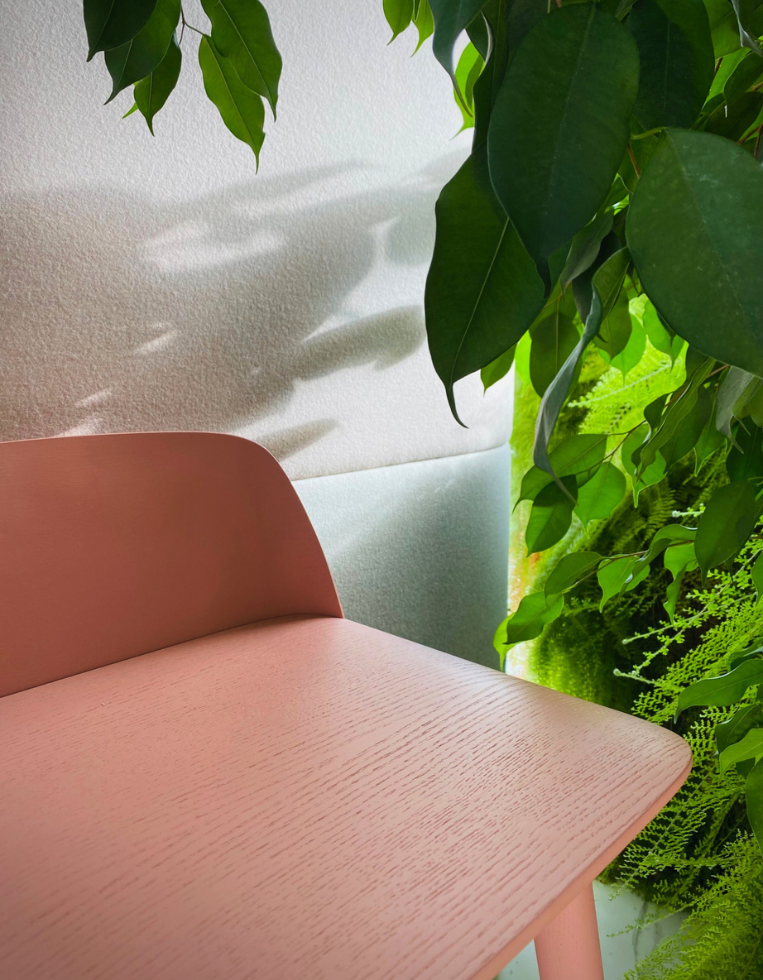
The Brain Behind Beauty
A Design Truths Essay on Design Thinking and Workplace Design…

Beyond Back Pain: How Workplace Ergonomics Protects Your Mind and Your Team
It’s 3 PM. Your shoulders are creeping toward your ears, a dull throb settles at the base of your neck, and no amount of coffee seems to…
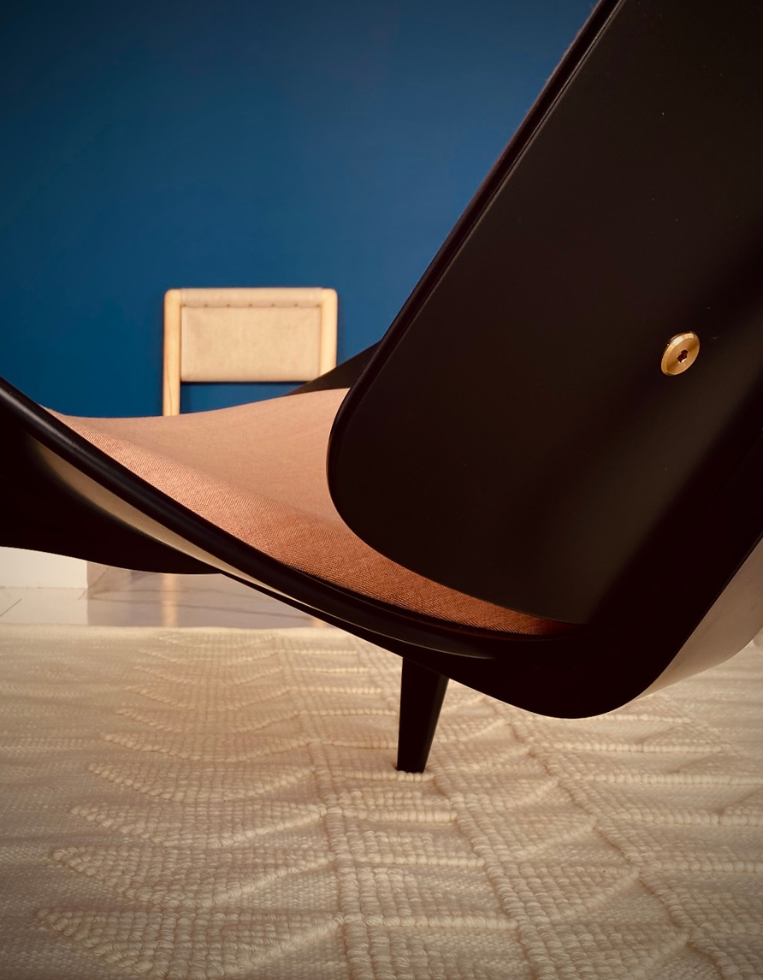
The Perception of Design: Where Form Meets Thought
Few people have shaped the way the world looks more than Paul Rand. For over fifty years…